Arse-covering or honesty? Trust can take many forms and the message in how it is developed and enacted is one of nuance and complexity, where context and perspective matters.
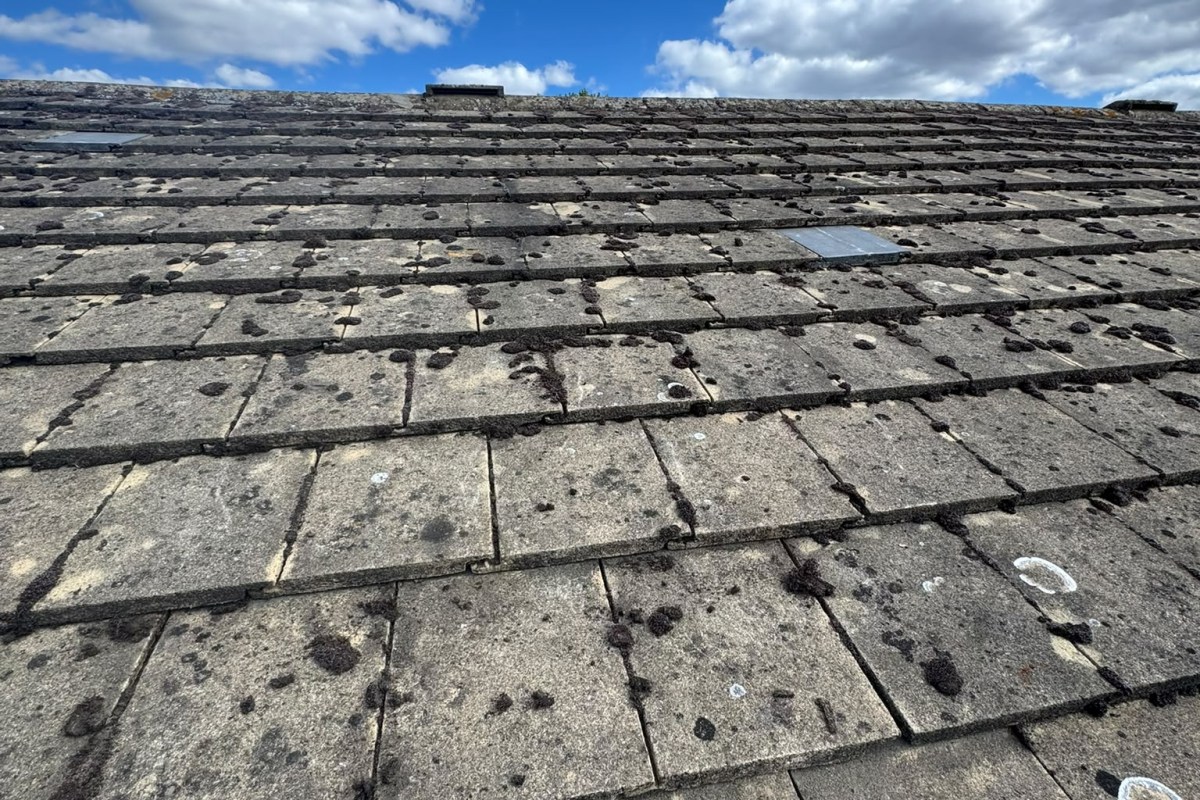
Last week I had to a leak in my roof repaired and I hung out with the roofer who was anchoring the ladder for his colleague. He was really friendly and funny and our chat wandered far and wide but obviously given my PhD I was interested in their views of the work they do, how they got into it and how they find it. They had provided me with loads of photos and some video of the scene on the roof. I cannot imagine circumstances under which I would climb the ladder and walk around on the roof of my house, even as I wrote those words and contemplated it again I had a shudder of absolute dread. So providing me with photos and video of the before and after is realistically the only way I’m going to be able to see the works have been done. We were talking about the work and the roofer described providing these photos as ‘arse-covering’ to protect themselves. I can see why it might feel like that from his perspective but for me, someone both wanting to feel like their roof was fixed and also doing a PhD on a related subject, it definitely felt more like an action that would generate trust.
Listening to the episode of podcast Philosophy Bites with Katherine Hawley talking about trustworthiness, she describes how what trustworthy looks like varies depending upon context – our expectations differ for a spouse, colleague or business we might use. Thinking about the roofer, that sense of having to be seen to cover himself seemed to have come about as a response to situations where his work had been called into question or as a protective measure in the event of future issues – the photos would allow them to evidence that an issue was from something unrelated to the works they had done. Yet that same activity which created trust in the situation for him also created trust for people who were having their roofs fixed. In some respects the context varied for both the roofer and his client, yet it led to the same place.
It was interesting to reflect that while the perspective and context matters, how trust can be secured for the different parties involved might look similar in terms of what actions are needed. Thinking more broadly about how future me would need to try and wrangle complexity and nuance into something that can provide tangible recommendations, it was reassuring to be reminded that sometimes there can be options which can reconcile those differences, without needing to add more complexity.
 We need new stories...